Digital attendance for Indian schools: beyond the paper register
Moving from paper registers to digital attendance in Indian schools: absence alerts, excused leave, permanent records and what principals gain from it.
 Aasiri Team · 5 min read
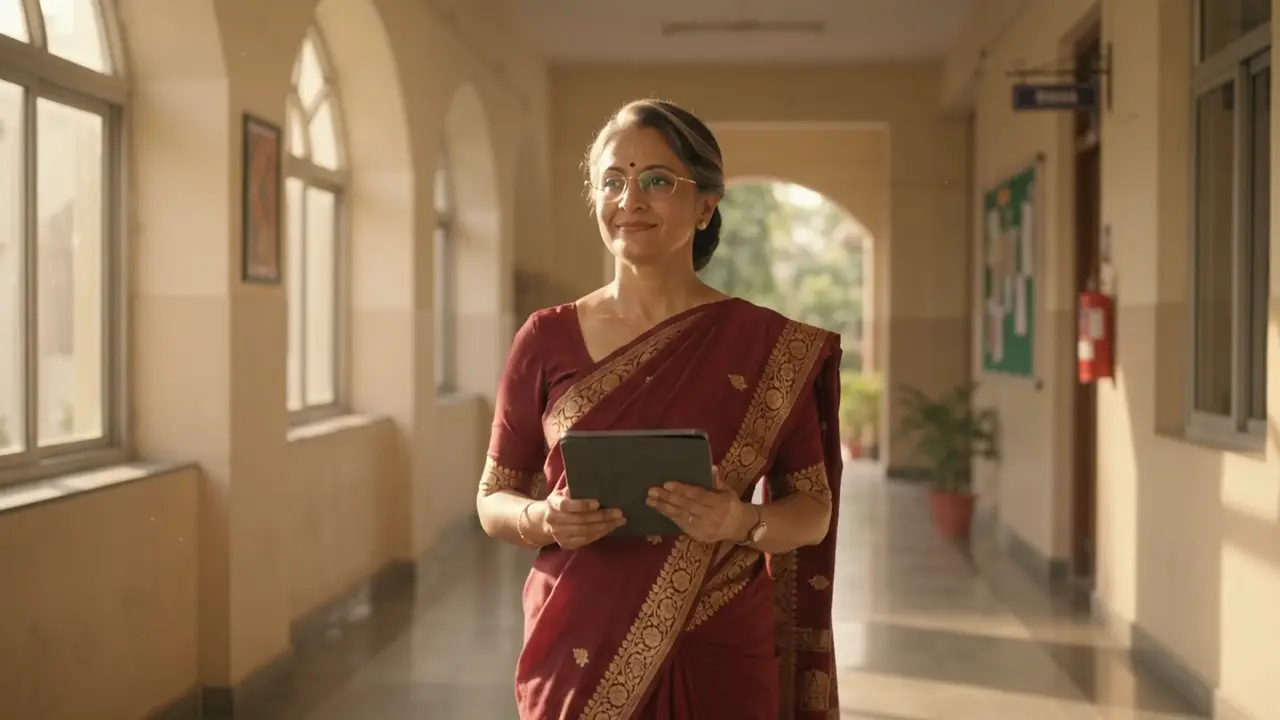
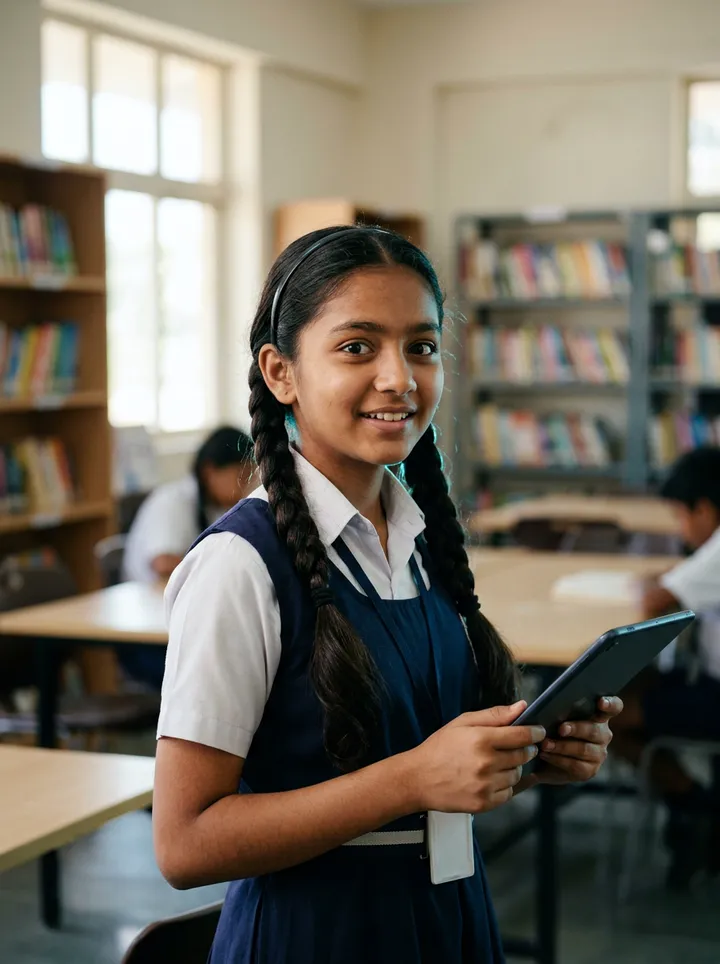
The attendance register is one of the most familiar objects in an Indian school. Every class teacher has one, every morning begins with roll call, and at the end of each month someone sits with a calculator working out the days present. It has served schools for generations.
But the register has limits, and they tend to show up exactly when you need it most: when a parent disputes an absence, when management asks for a quick summary before a meeting, or when the principal wants to know which classes have slipped this term. This guide looks at what changes when attendance moves from paper to a digital system, and how to make the switch without upsetting your staff.
What paper registers can't do
Paper registers are reliable in one sense: they don't need a network or a charged phone. But they leave important gaps:
- Parents find out late. If a child doesn't reach school, the family often hears about it only when the teacher calls, or weeks later at a PTA meeting.
- Totals are manual. Attendance percentages are worked out by hand, which takes time and invites small errors.
- Corrections are messy. A mark gets overwritten or covered with correction fluid, and nobody can say later who changed it or why.
- Leave sits in a separate file. Leave letters and medical certificates are filed elsewhere, so a child who was genuinely unwell can still look "absent" in the totals.
- Leadership sees nothing in real time. The principal only gets a picture when someone compiles one.
How digital attendance works day to day
In a digital system, the class teacher marks attendance on a phone or computer at the start of the day, much like roll call, except the result is saved instantly. A few things then happen without anyone having to chase them.
Absence alerts for parents
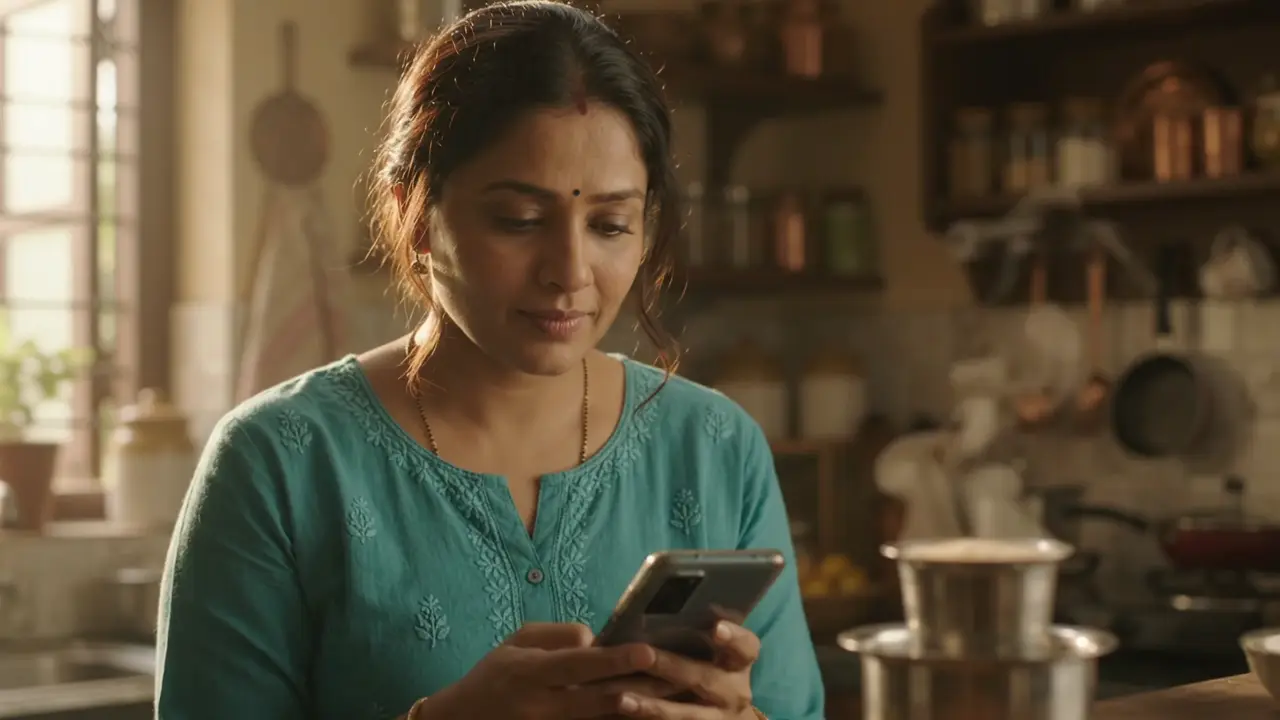
When a child is marked absent, the parent receives an alert. This is one of the most practical benefits for families. If the child left home on time and is marked absent, the parent knows immediately and can act, instead of finding out in the evening.
Excused leave that doesn't hurt attendance
Families plan weddings, temple visits and hospital appointments, and children fall ill. In a good system, leave applications are recorded alongside attendance. Once a leave application is approved, the days are marked as excused, so they do not pull down the child's attendance percentage. This keeps the record fair, and it helps avoid end-of-term arguments about whether a medical leave "counts".
Permanent records, with honest corrections
Teachers make mistakes; a student who walked in during the first period may have been marked absent. The answer is not to allow records to be deleted, but to allow corrections that keep the history. When attendance is corrected, the previous value is retained, and an audit log shows who made the change and when.
The point of a permanent record is not to catch teachers out. It is to make sure that when a parent or management asks a question, the school has a clear and honest answer.
What principals gain
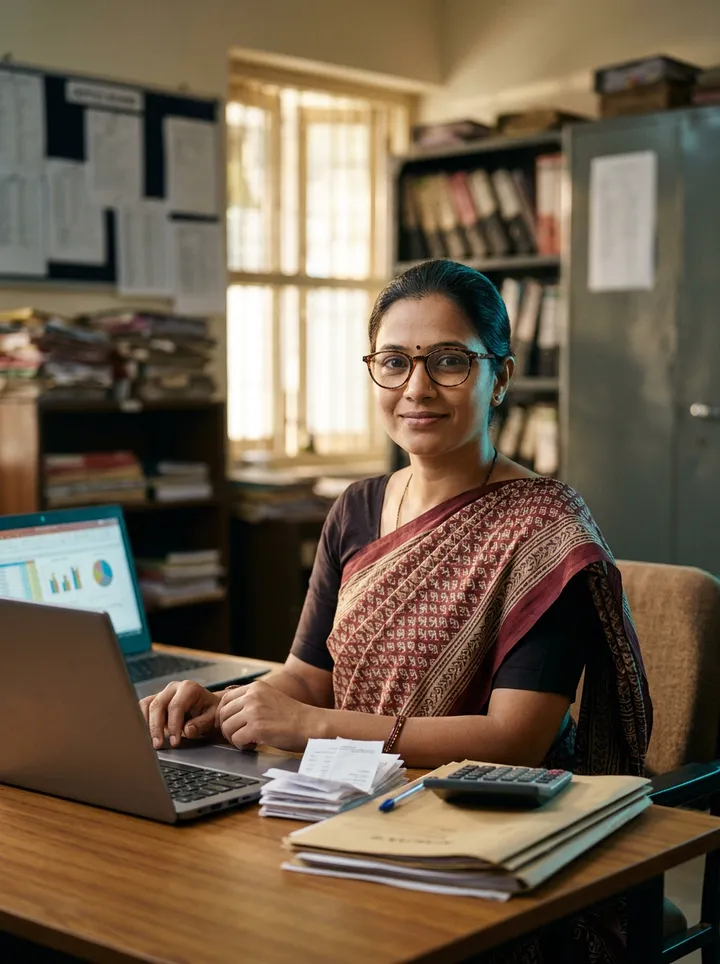
For a principal, digital attendance is less about the daily marking and more about what you can see once the data is in one place:
- Trends, not just totals. An attendance trend on a dashboard shows which classes are slipping, while there is still time to act.
- Early warning on individual students. Repeated absences become visible before they turn into a bigger academic or welfare concern.
- Fewer month-end compilations. Class teachers spend less time totalling registers and more time teaching.
- Calmer conversations with parents. When a family disputes an absence, you can show the record, any leave that was approved, and any correction that was made.
- Accountability without suspicion. Because corrections are tracked, you don't need to second-guess every change.
If you lead a school, see what else Aasiri offers principals.
Making the switch: a practical checklist
The technology is the easy part. The change in routine is what needs care. Here is a sequence that works well for many schools:
- Pick a clear start date, ideally the beginning of a term or a month, so totals are clean.
- Get class lists in order. Make sure every student is in the right section, with correct parent contact details, before the first day.
- Train class teachers in a short, hands-on session. Let each teacher mark a practice class on their own phone.
- Agree on a marking time. If attendance is marked by a fixed time each morning, absence alerts reach parents early, while they can still do something about it.
- Tell parents in advance. Send a circular or explain it at the PTA meeting, so the first absence alert doesn't come as a surprise.
- Decide your leave process. Agree who approves leave and how quickly, so excused days are recorded properly.
- Review after two weeks. Ask teachers what's slowing them down, and look at the first attendance trends together.
Some teachers may worry that digital attendance is about monitoring them. Be open about the purpose: faster information for parents, fair records for students, and less paperwork for teachers. When teachers see that a correction is simple and transparent, most concerns fade.
How Aasiri helps
Aasiri's student attendance app is built around the ideas in this guide:
- Teachers mark attendance, and parents receive an absence alert when their child is marked absent.
- Leave applications are part of the system; approved leave marks attendance as excused, so it does not reduce the attendance percentage.
- Attendance records are permanent. There is no delete, and a correction keeps the previous value. The audit log shows who changed which attendance record, and when.
- The analytics dashboard shows the attendance trend alongside enrolment, fee collection and pass rates.
- The same app carries the class diary for homework and notices, and works in English and Tamil.
To see how attendance would work for your classes, book a demo with our team.

We build Aasiri, the school operating system for Indian schools. More about us →