
A Practical School Hostel Management Guide for Wardens
A practical school hostel management guide for wardens in India, covering rooms and beds, in/out movement logs, night checks, mess menus and parent updates.
 Aasiri Team · 6 min read
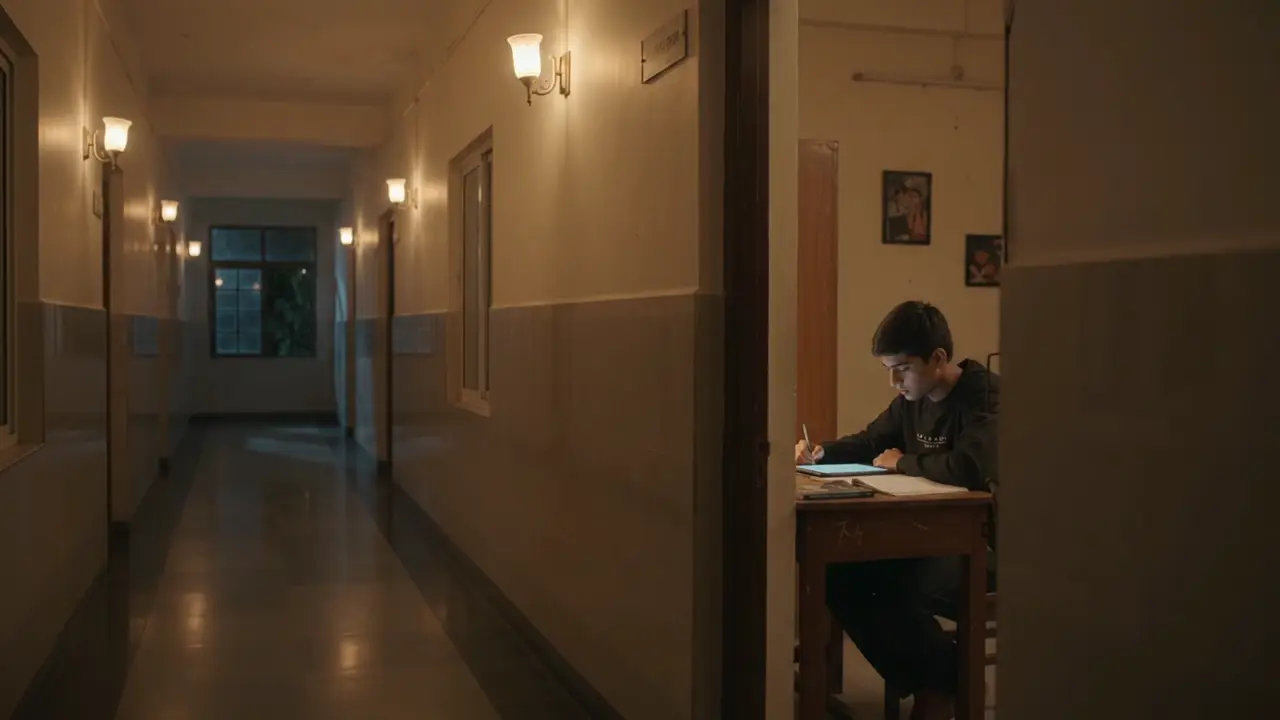
When parents leave their child at a residential school, the hostel becomes that child's home for most of the academic year. The warden becomes, in a very practical sense, the adult in charge of everything that happens between the last bell and the next morning's assembly. It is a role built on routines: knowing who is where, who is unwell, who has gone home for the weekend and who is due back. Many school hostels still run these routines on a bound register, a bunch of keys and a phone that never stops ringing. This guide sets out simple practices that make a hostel safer and calmer, whether you look after one block or several.
Start with an accurate map of blocks, rooms and beds
Everything else in hostel management depends on one list: which student sleeps in which bed. If that list is wrong, every headcount, every fire drill and every call to a parent starts on shaky ground.
- Structure it the way the building works. Blocks, then rooms, then individual beds, each with a clear number that matches what is painted on the wall.
- Allocate every bed to a named student. No "temporary" arrangements that live only in someone's memory.
- Record changes on the day they happen. When a student moves rooms after exams or swaps with a friend with permission, update the list before lights-out.
- Keep empty beds visible. At admission time, the office should be able to see free beds without walking the corridors.
- Group sensibly and consistently. Follow your school's policy on separate blocks or wings for boys and girls, juniors and seniors, and apply it the same way every year.
At the start of each term, walk every room with the list in hand and correct it. It takes an afternoon and saves confusion for months.
Keep a movement log that tells the truth
The movement log, which many hostels call the out-pass or in/out register, is the hostel's most important safety record. At any moment it should answer one question: is this student inside the hostel or not?
Good practice looks like this:
- Record every exit beyond the daily routine: weekend home visits, outings, hospital visits, tuition or coaching classes and sports trips.
- Note the time out, the time back, the reason and who approved it.
- Write it at the moment of leaving and returning, not at the end of the day from memory.
- Keep a written list of the adults each family has authorised to collect their child, and check it at the gate.
- Pay extra attention at term-end and before long holidays like Pongal or Diwali, when many students leave at once and registers are most likely to be filled in later.
Paper registers work until they don't. Pages get torn, handwriting fades, and after a busy Sunday nobody is quite sure whether a student came back at 6 pm or 8 pm. A digital log that stamps the time when the entry is made removes that doubt.
Night checks: a short routine, done every single night
Night checks are where routine matters most, because things go wrong quietly. A simple checklist, printed and kept at the warden's desk, helps relief wardens and new staff follow the same standard:
- Fix the time for lights-out and the first headcount, and keep it the same every night.
- Count against the bed list, room by room, not from memory.
- Cross-check against the movement log. Everyone marked "out" should be absent, and everyone marked "in" should be in their bed.
- Note any student who is unwell and inform the school's sick-room staff or nurse as your procedure requires.
- Check that fire exits are clear, emergency lights work and doors that should be locked are locked.
- Do a second, shorter round later in the night.
- Write down what you found, including the time, who checked and anything unusual, and hand it over to the morning staff.
- If a count does not match, follow a written escalation plan: who to call first, who next, and when the principal must be told.
The escalation plan is the part most hostels skip and most need. In a stressful moment, nobody should have to decide who to phone.
Mess menus that everyone can see
Food is the topic hostel students talk about most, and it is often the first thing parents ask about. A well-run mess does not need to be fancy. It needs to be predictable and fair.
- Plan the menu a week ahead and publish it, so students know what to expect and parents can see it too.
- Rotate dishes so no meal repeats too often, and plan ahead for festivals, fasting days and exam weeks.
- Keep a list of students with dietary restrictions or allergies with the mess in-charge, and update it whenever a parent informs you.
- Collect feedback on the menu regularly, and when you change something, explain why.
Publishing the menu sounds like a small thing, but it heads off a lot of repeated questions from students and parents alike.
Keep parents informed without living on the phone
For a hostel parent, the hardest part is often not bad news but no news. A predictable rhythm of communication reassures families and protects the warden's time.
- Set fixed times when students can call home, and share them with parents.
- Send hostel-wide news, such as travel dates before holidays, visiting days, menu changes and events, through the school's official announcement channel rather than from the warden's personal phone.
- For anything serious, call the parent directly first, then follow up in writing.
- At the start of the year, tell parents what the hostel records, such as movements, outings and visits, and how they can ask about their own child.
- Keep personal numbers out of it. A warden whose mobile number sits in hundreds of parents' phones is never off duty.
A proper parent-teacher communication app makes this rhythm far easier to sustain than a collection of WhatsApp groups.
How Aasiri helps
Aasiri's hostel management software organises your hostel as blocks, rooms and beds, with student allocations, an in/out movement log with timestamps, and the mess menu. The hostel warden is one of the roles Aasiri is built for, alongside teachers, parents and school admins, and you can read more on our page for hostel wardens. For keeping families informed, Aasiri offers announcement channels where only staff post and parents read, real-time chat without sharing personal phone numbers, and notifications in-app, by push and by email.
To see how Aasiri could support your hostel team, book a demo with us.

We build Aasiri, the school operating system for Indian schools. More about us →